
Chip Seal Driveways Near San Antonio, Boerne and Bandera
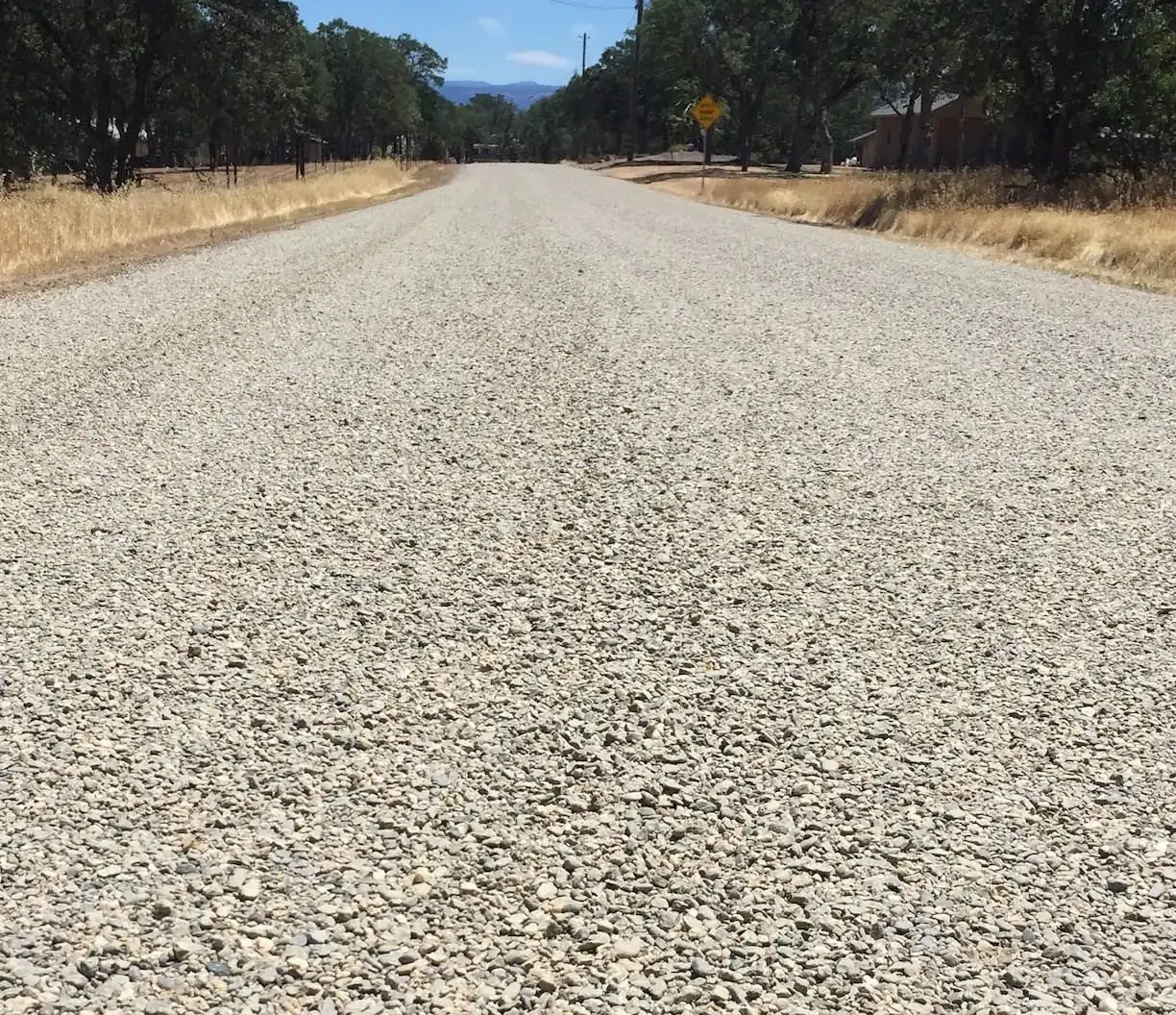
A chip seal driveway fits best when the existing surface is firm, the cracks are minor and the traffic is mostly cars, pickups and the occasional trailer. If that sounds like your place near San Antonio, the job is usually worth pricing. Check the surface, the way you use the drive and how a truck will get in, and you will know whether chip seal is a good match before anyone shows up.
How chip seal works on a driveway
Chip seal is a layer of hot asphalt binder (the sticky liquid asphalt that acts as glue) sprayed over a prepared surface, then covered with stone chips. The binder grabs the stone and the stone shields the binder from sun and tires. The result is a rough, textured surface that gives good grip and has a rural look many owners like.
After the chips go down, a roller presses them into the binder so they sit tight. Loose stone that does not bond is usually swept off afterward. How long the surface needs to cure and when you can drive on it depends on the job and the conditions that day, so ask your contractor for a plan instead of a promise. Our chip seal paving page covers the process in more detail.
Check the driveway before choosing chip seal
Chip seal is a surface treatment. It seals and protects what is under it, but it does not rebuild a failed base (the compacted layer of stone and soil the driveway sits on). Walk the drive slowly and look for the items below.
- Cracks: Hairline and narrow cracks are usually manageable. Wide, branching cracks often point to base trouble that needs repair first.
- Soft spots: If an area flexes, pumps water or leaves a rut under your tire, it needs to be dug out and rebuilt before any surface goes on.
- Loose or crumbling areas: Patches where the old surface is breaking apart will not hold a new binder well.
- Edges: Ragged or washed out edges tend to unravel first, so note how the drive meets grass, gravel and ditches.
- Transitions: Look at where the drive meets the street, a garage slab or a culvert. These spots take the most abuse and need clean, planned tie ins.
If the whole drive is in poor shape, standard driveway paving may be the better call than a surface treatment. An honest look at the base is worth more than a quick answer.
Think about how the driveway is used
Everyday cars and light trucks are a good fit. Heavy, frequent loads such as livestock trailers, delivery trucks or equipment need a stronger conversation about base and layers. Pay attention to where vehicles turn and stop, because tight turning and parked wheels can scuff loose stone out of a fresh surface. If you have a sharp turnaround or a steep stretch, point it out.
Check access for equipment
Chip seal crews bring a distributor truck for the binder, a stone spreader or loaded trucks, and rollers. Low branches, tight gates, narrow bridges and soft shoulders can limit what gets in. Tell your contractor about them up front so the plan fits your property.
Plan around San Antonio, Boerne and Bandera weather
Central Texas winters are usually mild, though November and December can bring rain or cool spells. Chip seal needs a dry surface and conditions that let the binder bond, so a wet week can push a start date. That applies whether your drive is in Boerne, Bandera or anywhere else around the Hill Country.
Instead of asking for a firm date months out, ask how the crew handles weather. Good questions include how a forecast of rain changes the schedule, how many dry days they want before and after the work, and when traffic can come back. Cool, damp weather generally slows curing, so a plan for keeping cars off the drive matters more in those weeks.
Local conditions on your lot matter too. If your yard is clay, water may sit along the edges and soften the base. If your drive climbs to the street, runoff can scour the shoulders. Mention both, because drainage often decides how long a surface lasts.
| Condition on your drive | What to ask about |
|---|---|
| Water pools near the edges | Whether drainage or edge repair comes before the surface |
| Sloped drive or sharp turn | Stone size and how loose chips are controlled |
| Shaded stretch that stays damp | Whether that section needs extra drying time |
| Long rural drive with one entrance | How traffic will be kept off during cure |
What to prepare before requesting an estimate
A few details make an estimate faster and more accurate. Gather them before you call.
- Rough length and width of the driveway, plus any turnarounds or parking pads.
- What the surface is now: old asphalt, gravel, concrete or a previous chip seal.
- The cracks, soft spots and edge problems you noticed on your walk.
- The vehicles that use the drive and how often.
- Access limits such as gates, low limbs, culverts or a single way in and out.
Then ask what the quote covers. You want to know what surface preparation is included, what binder and stone are planned, how repairs are handled and how traffic will be managed during and after the work. A clear answer on each tells you the job has been thought through.
We offer a Free Estimate for chip seal driveways around San Antonio, Boerne, Bandera and the surrounding Hill Country. Bring your notes and we will look at the surface with you.
Common questions
Can you chip seal over an existing asphalt driveway?
Often yes, when the base is sound and the cracks are minor. Soft spots and failed areas usually need to be repaired first so they do not telegraph through the new surface.
How long before I can drive on a new chip seal driveway?
Many crews ask you to wait a day or two before regular use, and longer for heavy trucks. Cool or damp weather can stretch that, so get the guidance for your specific job.
Is chip seal a good fit for a driveway with tight turns?
It can be, but sharp turning and parked wheels can scuff loose stone from a fresh surface. Ask about stone size and how the turning and stopping areas will be handled.
Areas we serve
Our services
Have a question about your project? Call (830) 998-1887